

 See My Latest Article on HelloNation
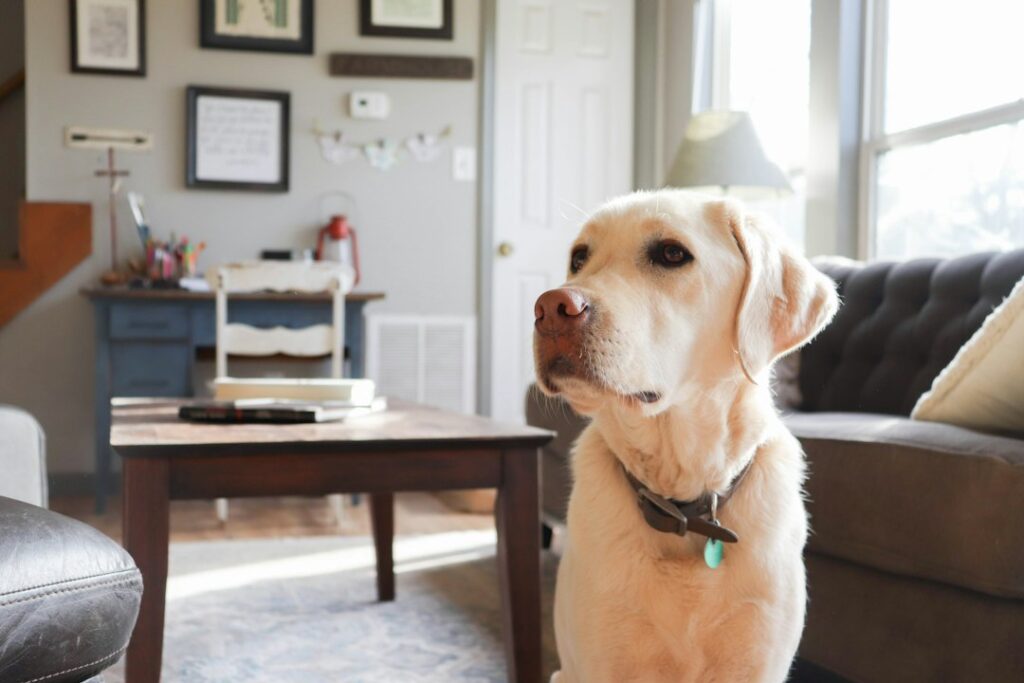
Should landlords allow pets in rental properties?
For many rental owners in Menifee, CA, allowing pets can make a property more appealing to a larger group of responsible applicants. It can also create additional concerns involving property damage, noise, odors, outdoor maintenance, and conflicts between neighbors.
There is no single correct answer for every rental home. The better question is whether the property, lease terms, and management practices can support pets responsibly. A clear policy is usually more effective than an informal rule that changes from one applicant to another.
A reasonable decision should consider:
- The type and layout of the property
- Flooring, fencing, landscaping, and outdoor space
- Nearby homes and the likelihood of noise concerns
- The number and type of animals permitted
- Local animal-control requirements
- How damage, waste, and nuisance behavior will be addressed
A small home with delicate flooring and limited outdoor space may justify tighter restrictions than a detached home with a secure yard. Even then, the policy should be based on property-related concerns rather than assumptions about certain breeds or households.
What are the advantages of allowing pets?
Allowing pets may increase the number of qualified renters who consider the property. Many households include a dog, cat, or another companion animal, and a strict no-pet rule can remove otherwise reliable applicants before they evaluate the home.
Pet-friendly housing may also support longer tenancies. Moving with an animal can be difficult, so residents may be more likely to remain in a suitable rental when the rules are clear and the home continues to meet their needs.
Other potential advantages include:
- A broader applicant pool
- Fewer requests for unofficial exceptions
- More predictable lease administration
- An opportunity to establish specific animal-related responsibilities
- Better alignment with the way many households live
These benefits do not eliminate risk. A pet-friendly policy works best when screening, documentation, inspections, and enforcement are handled consistently.
What are the risks of accepting pets?
The most common concerns involve damage and nuisance conditions. Pets may scratch doors, damage flooring, chew trim, dig in landscaping, stain carpets, or leave odors that require specialized cleaning. Dogs may bark when residents are away, while cats may damage screens or create odor problems if litter is not properly maintained.
Menifee’s warm, dry conditions can also affect outdoor pet management. Dust, dry landscaping, irrigation areas, and enclosed yards may require regular attention. A resident who does not promptly remove waste can create odor and sanitation concerns, particularly during hotter periods.
A landlord should also consider risks that are less visible during an initial showing:
- Fleas, ticks, or other pest concerns
- Damage caused by an animal that was not disclosed
- Animals left unattended for long periods
- Aggressive behavior toward neighbors or service workers
- Damage to gates, screens, irrigation equipment, or fencing
- Complaints involving barking or waste
- Multiple animals being kept in violation of the lease
Insurance requirements, community rules, and loan documents may also affect whether particular animals are permitted. These should be reviewed before adopting a policy.
What should a written pet policy include?
A pet policy should answer practical questions before a resident moves in. Vague language such as “pets must be approved” leaves too much room for disagreement.
A well-written policy commonly addresses:
- The maximum number of animals
- Permitted animal types
- Size, weight, or housing limitations when legally and practically justified
- Vaccination, licensing, and identification requirements
- Rules for waste removal and control of the animal
- Prohibited conduct, including repeated nuisance noise
- Requirements for leashes or secure fencing
- Responsibility for pest treatment and animal-related damage
- Procedures for adding or replacing an animal
- Consequences for keeping an unauthorized pet
The policy should also require the resident to identify each approved animal by species, breed or general description, age, and other useful identifying information. Photographs can help document which animal was approved, although they do not replace proper lease language.

Rules should be applied consistently to similarly situated applicants and residents. A policy that is strict on paper but selectively enforced can create disputes and fair-housing concerns.
Can a landlord charge a pet deposit or pet rent?
California landlords may use lawful financial terms for ordinary pets, but those charges must comply with current state security-deposit rules and the rental agreement. A separate “pet deposit” is generally treated as part of the security deposit rather than as an unlimited extra charge.
The lease should clearly explain:
- The amount collected
- Whether the amount is refundable
- What types of damage may be deducted
- Whether recurring pet rent is charged
- When and how deductions will be documented
- That ordinary wear and tear is not charged as damage
Pet rent is different from a deposit because it is usually a recurring fee for the right to keep an approved pet. Any fee should be stated clearly before the lease is signed and should not be used to disguise an unlawful deposit or discriminatory practice.
Assistance animals are not treated as ordinary pets under fair-housing rules. A resident with a disability may request a reasonable accommodation for a service animal or another assistance animal, including an exception to a no-pet rule. A housing provider generally may not charge pet rent or a pet deposit for an approved assistance animal. Requests should be evaluated through a consistent reasonable-accommodation process rather than through ordinary pet-screening rules.
Should certain breeds or animals be prohibited?
Breed restrictions can create legal, practical, and fairness concerns. A policy based only on breed labels may not accurately reflect an individual animal’s behavior, and some restrictions may conflict with insurance requirements or fair-housing obligations.
A more defensible policy focuses on observable, property-related factors, such as:
- Documented aggressive behavior
- A history of property damage
- Failure to control the animal
- Excessive noise
- Unsafe or unsanitary conditions
- An animal that cannot reasonably be housed in the property
Restrictions should also account for the type of home. A large animal may be unsuitable for a small unit without outdoor access, while a properly supervised animal may be manageable in a detached rental with secure fencing.
Any restriction should be reviewed for consistency with insurance terms, local rules, and applicable housing laws.
What local requirements should residents and owners remember?
Local animal rules still apply even when a rental agreement permits pets. In Menifee, dogs four months of age or older must generally be licensed and vaccinated against rabies within the required timeframe. Dogs and cats over four months old are also subject to microchip requirements, and local rules address spay and neuter obligations with limited exceptions.
The city’s animal-keeping rules also distinguish ordinary household ownership from larger-scale animal keeping. One to four dogs may generally be kept without a kennel permit, while higher numbers can trigger additional requirements. A rental policy should not authorize conduct that violates local animal or nuisance regulations.
Residents remain responsible for complying with licensing, vaccination, containment, waste, and noise rules. Owners should avoid representing lease approval as permission to ignore public regulations.
Is a no-pet policy the safest choice?
A no-pet policy may reduce certain risks, but it does not eliminate all animal-related issues. Assistance-animal requests may still require an exception, and unauthorized animals may be kept without disclosure if the policy is difficult to enforce.
For some properties, a carefully limited pet policy may be more practical than an absolute prohibition. For others, building design, insurance restrictions, or neighborhood conditions may support a no-pet rule.
The strongest policy is one that is legally compliant, easy to understand, connected to the property’s actual characteristics, and enforced the same way for every household. Before accepting an animal, residents should read the complete lease, confirm all fees in writing, and understand who is responsible for cleaning, repairs, outdoor conditions, and complaints.